Tuesday, September 4, 2018

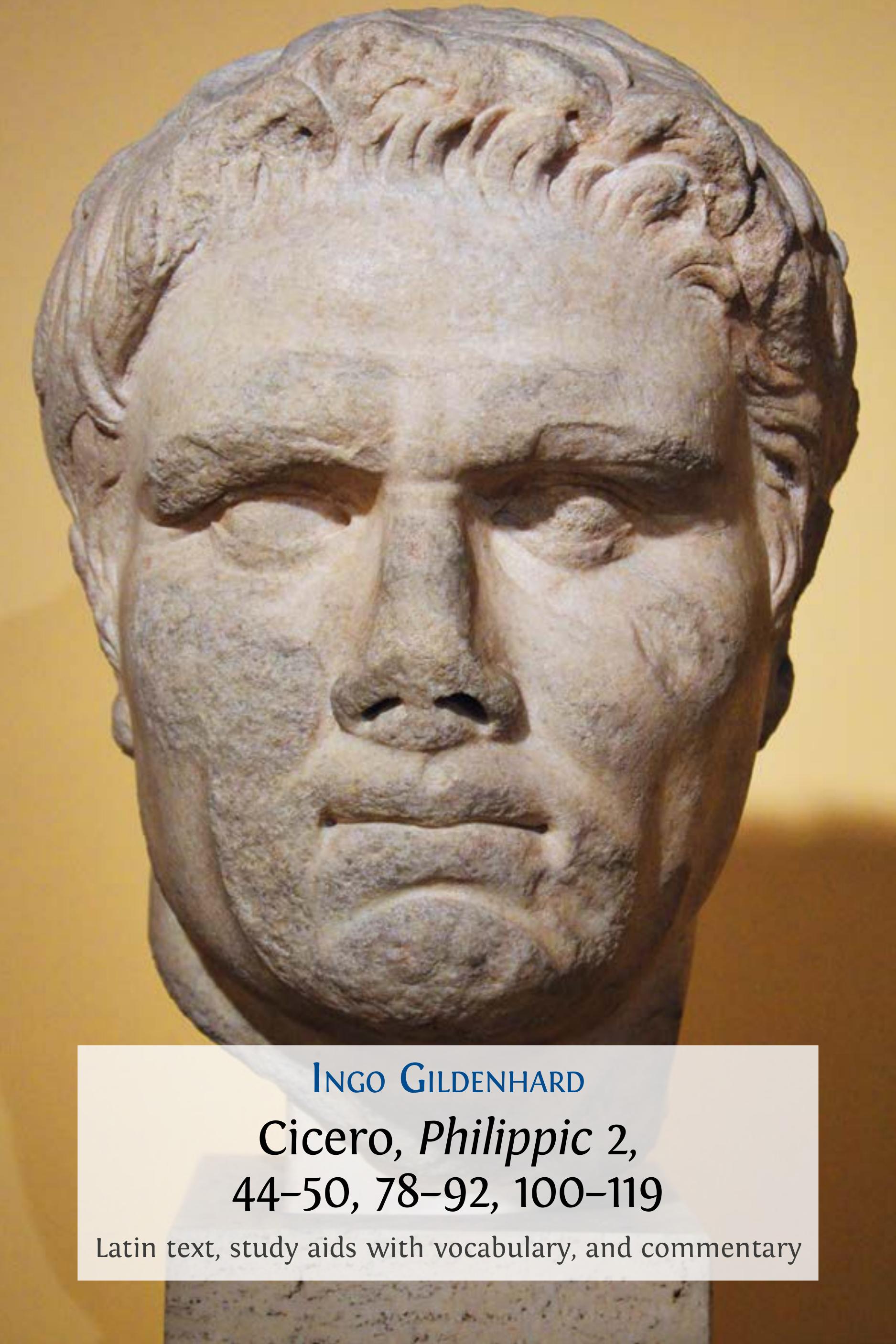
Cicero, Philippic 2, 44–50, 78–92, 100–119. Latin Text, Study Aids with Vocabulary, and Commentary

Cicero, Philippic 2, 44–50, 78–92, 100–119. Latin Text, Study Aids with Vocabulary, and Commentary 
Ingo Gildenhard
Cicero, Philippic 2, 44–50, 78–92, 100–119. Latin Text, Study Aids with Vocabulary, and Commentary
488 | 1 bw illustration | 6.14" x 9.21" (234 x 156 mm)
Classics Textbooks, vol. 6 | ISSN: 2054-2437 (Print) | 2054-2445 (Online)
1 colour illustration
ISBN Paperback: 978-1-78374-589-0
ISBN Hardback: 978-1-78374-590-6
ISBN Digital (PDF): 978-1-78374-591-3
ISBN Digital ebook (epub): 978-1-78374-592-0
ISBN Digital ebook (mobi): 978-1-78374-593-7
DOI: 10.11647/OBP.0156
Categories: BIC: DB (Classical texts), HBLA1 (Classical civilisation), 4KL (A-Levels Aid), CFP (Translation and interpretation); BISAC: LIT004190 (LITERARY CRITICISM / Ancient & Classical), LIT025030 (LITERARY CRITICISM / Subjects & Themes / Politics)


Click here to read the PDF online for free Click here to read the HTML online for free

Tailored to the OCR Latin AS and A Level specifications from 2019–2021

Cicero composed his incendiary Philippics only a few months after Rome was rocked by the brutal assassination of Julius Caesar. In the tumultuous aftermath of Caesar’s death, Cicero and Mark Antony found themselves on opposing sides of an increasingly bitter and dangerous battle for control. Philippic 2 was a weapon in that war.

Conceived as Cicero’s response to a verbal attack from Antony in the Senate, Philippic 2 is a rhetorical firework that ranges from abusive references to Antony’s supposedly sordid sex life to a sustained critique of what Cicero saw as Antony’s tyrannical ambitions. Vituperatively brilliant and politically committed, it is both a carefully crafted literary artefact and an explosive example of crisis rhetoric. It ultimately led to Cicero’s own gruesome death.

This course book offers a portion of the original Latin text, vocabulary aids, study questions, and an extensive commentary. Designed to stretch and stimulate readers, Ingo Gildenhard’s volume will be of particular interest to students of Latin studying for A-Level or on undergraduate courses. It extends beyond detailed linguistic analysis to encourage critical engagement with Cicero, his oratory, the politics of late-republican Rome, and the transhistorical import of Cicero’s politics of verbal (and physical) violence.
 

Monday, September 3, 2018

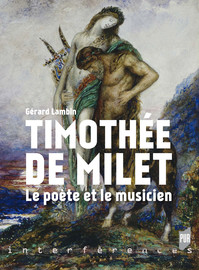
TIMOTHÉE DE MILET: Le poète et le musicien

TIMOTHÉE DE MILET: Le poète et le musicien
Timothée de Milet
Qui connaît Timothée de Milet, pourtant l’un des plus grands musiciens et poètes grecs de la fin du Ve siècle avant J.-C. et de la première moitié du IVe ? Même la découverte, en Égypte, d’un important papyrus de ses Perses ne lui a pas rendu la place qu’il méritait.
Le présent livre n’en sera que plus utile. Réédités, traduits, commentés, tous les fragments de Timothée, dont un fragment musical, grâce à lui deviennent accessibles. Il offre également la synthèse la plus complète sur un...

 Lire la suite
  • Éditeur : Presses universitaires de Rennes
  •  
  • Collection : Interférences
  • Lieu d’édition : Rennes
  •  
  • Année d’édition : 2013
  • Publication sur OpenEdition Books : 03 septembre 2018
  •  
  • ISBN (Édition imprimée) : 9782753523067
  • ISBN électronique : 9782753557932
  •  
  • DOI : 10.4000/books.pur.53293
  • Nombre de pages : 210 p.

Lemlat Enhancements

We are proud to announce the recent enhancement of the lexical basis of Lemlat with the Du Cange Glossary.

Lemlat is a morphological analyser and lemmatiser of Latin provided with a large lexical basis including:
- the collation of three Latin dictionaries (Georges and Georges, 1913-1918; Glare, 1982; Gradenwitz, 1904): 43,432 lemmas [including also relations between lemmas based on derivational morphology];
Onomasticon by Forcellini (1940): 26,250 lemmas;
- Glossarium Mediae et Infimae Latinitatis by Du Cange (1883-1887): 82,556 lemmas.

Enlarging the lexical basis of Lemlat with the Du Cange Glossary significantly increases its coverage of a wide span of Latin texts from different eras.

Information about Lemlat can be found at www.lemlat3.eu.
The database and binaries of Lemlat are available at https://github.com/CIRCSE/LEMLAT3

Attic Inscriptions Online News

Attic Inscriptions Online News
AIO

3 Sep 2018: We publish today the third volume of Attic Inscriptions in UK Collections, AIUK 3 (Fitzwilliam Museum, Cambridge), including (section 3) a general introduction to private Attic funerary monuments. More lightly annotated translations, Greek texts and images of the inscriptions are available on the AIO main site. We also publish translations of dedications by public arbitrators. For a full list of the new translations see Publication 3 September 2018. In addition we have begun linking to images of squeezes of inscriptions at the Institute for Advanced Study, Princeton (Krateros). Links to AIO videos about the inscriptions in the Fitzwilliam Museum are pasted [here].

AIUK 3 (Cambridge) no. 1 - Treaty between Athens and Halieis
AIUK 3 (Cambridge) no. 2 - Relief from top of a decree
AIUK 3 (Cambridge) no. 3 - Accounts of the Amphiktyons of Delos, 377/6-374/3 BC
AIUK 3 (Cambridge) no. 4 - Funerary lekythos [for a father and son?] from Epikephisia
AIUK 3 (Cambridge) no. 5 - Funerary stele for Euthykritos of Eitea
AIUK 3 (Cambridge) no. 6 - Funerary stele for [Th]eokles or [N]eokles
AIUK 3 (Cambridge) no. 7 - Funerary columella of Kleopatra of Berytos
AIUK 3 (Cambridge) no. 8 - Funerary columella of Euklidas of Hermione
AIUK 3 (Cambridge) no. 9 - Funerary stele of Aphrodisia, also known as Epilampsis, daughter of Aphrodisios of Leukonoion


Sunday, September 2, 2018

Roman Open Data

Roman Open Data
http://www.romanopendata.eu/images/epnet-home.fc0a9c95.jpg
A Data Visualization & Exploratory interface built in the framework of the ERC Advanced Grant Project EPNet, to foster the exploration of one of the richest database for amphorae and epigraphy, promoting the Open Science principles and practices in the context of Digital Humanities.
Explore both epigraphies and amphoras from the database of CEIPAC, one of the most precise archaeological and historical semantic markers available from the Roman Empire trading system.
Look for inscriptions that match your text search or use advanced search capabilities to perform complex searches, using multiples filters regarding epigraphic properties and bibliographic authoring.
Compare your searches by having your results displayed together through different linked views.

Open Access Journal: Gorffennol: The Swansea University History and Classics Online Journal and Blog

[First posted in AWOL 21 July 2016, updated 2 September 2018 (new URLs)]

Gorffennol: The Swansea University History and Classics Online Journal and Blog
Gorffennol is the Welsh word for ‘past’, and is the name of the online student journal of the History Department at Swansea University. It is run by an editorial team consisting of nine students and one member of staff from the Department, producing a yearly journal as well as ad hoc blog posts.
The student-led online journal will be published annually, showcasing articles from postgraduate historians as well as outstanding student assignments from the medieval, early modern, and modern periods. This journal will not only display excellent post- and undergraduate work, but also help our students increase their employability by providing them with editorial experience.
Regular blog posts by students and staff will include short articles on historical topics, module-specific research, and posts showing students’ experiences of modules in our Department.
The editorial team are being guided by Dr Charlie Rozier as supporting lecturer and Amy Megson as Chief Editor.
Latest Issue
Archived Issues

Saturday, September 1, 2018

The Non-Professional Archaeological Photographs project (NPAPH)

The Non-Professional Archaeological Photographs project (NPAPH)
NPAPH Project
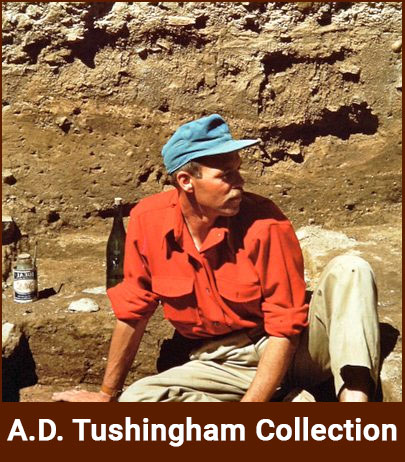
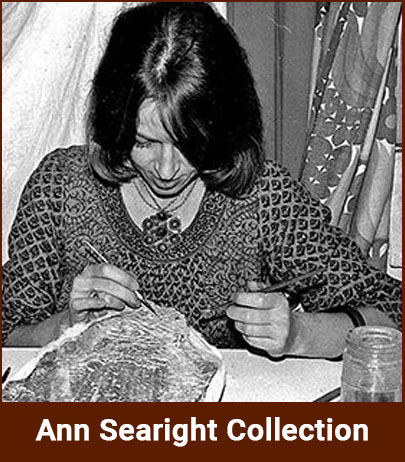
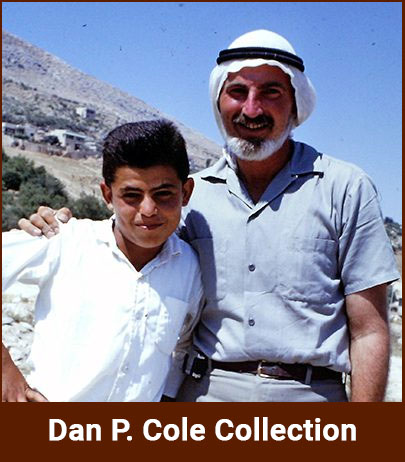
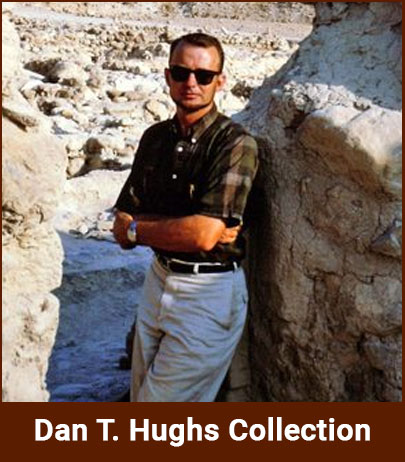
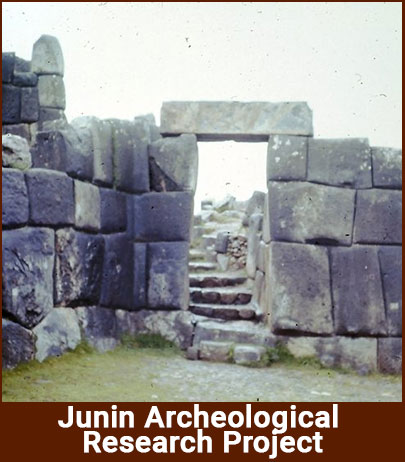
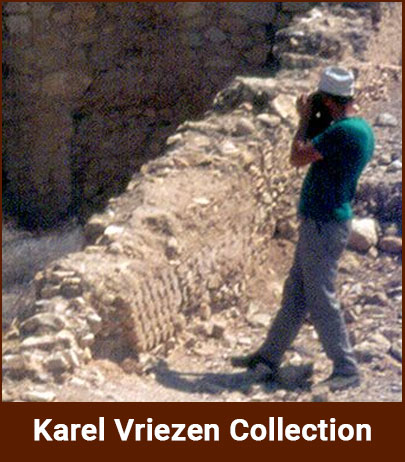
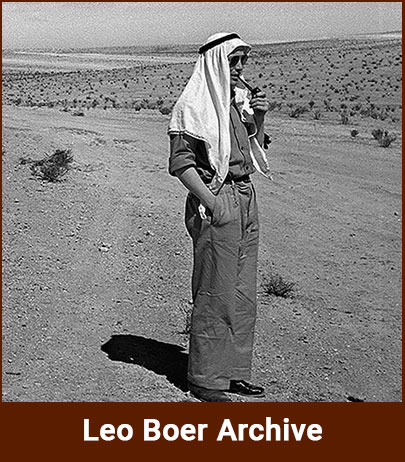
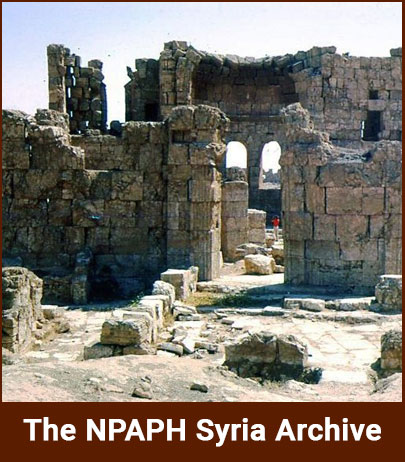
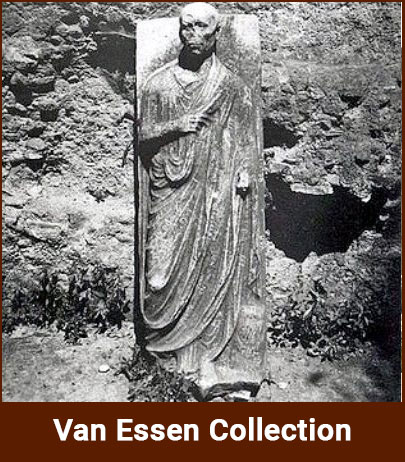
The Non-Professional Archaeological Photographs project has the aim to preserve non-professional documentation of archaeological campaigns – prior to the 1980s – to the future and make it accessible to the public via digital archives. Furthermore, the project pleads for an international collaboration between archaeological institutions in order to connect these digital archives and bring them under the attention of the public by the use of this website.
The term ‘non-professional’ refers to records made by visitors or participants of excavations who were not part of the trained staff, but who assisted as part of their continuing education or out of interest, for instance students, volunteers, reporters or sponsors. Secondly, this category of documentation includes also the private photos, slides or films made at the excavation by the archaeological staff.