Monday, September 30, 2024

List of Open Access Student Journals

 [First posted in AWOL 17 October, 2013, updated 30  September 2024]

This is a list of the Antiquity focused open access student journals I know about. I am sure there are more, please comment and let me know what I have missed.

53 titles to date.

Byzantinische Rechtsgeschichte im internationalen Kontext: Akten einer Tagung der Akademien der Wissenschaften zu Göttingen und Sofia (28.9.–1.10.2021)

Edited by: Peter Schreiner , Jens Peter Laut and Ivan Biliarsky In collaboration with: Isabel Grimm-Stadelmann
book: Byzantinische Rechtsgeschichte im internationalen Kontext

In twenty papers from a joint conference held by the Bulgarian Academy of Sciences in Sofia and the Göttingen Academy of Sciences and the Humanities, this volume provides an overview of the latest issues in Byzantine legal history in the fields of civil and canon law, with additional forays into the law of Slavic and Islamic states and general questions of cultural history.

  • Languages: German, English, French
  • Publisher: De Gruyter
  • Copyright year: 2024
  • Audience: Scholars in the field of the history of law, Byzantine studies, Medieval studies
  • Pages
    • Front matter: 18
    • Main content: 407
  • Illustrations
    • Illustrations: 4
    • Coloured Illustrations: 10
    • Tables: 2
  • Keywords: Byzantine Empire; legal history; Roman law; Islamic law
eBook
  • Published: October 7, 2024
  • ISBN: 9783111331126
Hardcover
  • Published: October 7, 2024
  • ISBN: 9783111329925


Sunday, September 29, 2024

The Future of the Past: Why Classical Studies still matter. Athenian Dialogues IV

Edited by: Georgios K. Giannakis , Theodore Papanghelis and Antonios Rengakos
book: The Future of the Past

This collective volume contains 27 original studies that address in a critical way the position of classical studies in the twenty-first century and its challenges, as captured in the oxymoron of the theme title ‘the future of the past’.

The relevance of classical antiquity is reflected in all aspects of modern life: the sciences, the linguistic forms, literary expressions, cultural tradition, religion and ethics, philosophical thinking, modes of argument, political theory, history, the arts, and an entire host of other areas—in a word, much of what modern man is. As the conversation between past and present is best demonstrated at the intersection of different disciplines and cultural trends, interdisciplinary and intercultural topics are discussed in the essays. The contributions are organized in thematic groups according to the topics and sub-topics covered, and explore new ways of viewing the values of the classical past and their relevance to the present and future of societies.

The work is of special relevance to scholars interested in classical studies, ancient history, critical thinking, the reception of classical ideas in the modern world, and the relation of the past with the present and the future of humanity.

eBook
  • Published: October 7, 2024
  • ISBN: 9783111337852
Hardcover
  • Published: October 7, 2024
  • ISBN: 9783111337142


Saturday, September 28, 2024

Theory and Classification of Material Text Cultures: Concluding Volume of the CRC 933

Edited by: Nikolaus Dietrich , Ludger Lieb and Nele Schneidereit
book: Theory and Classification of Material Text Cultures
Volume 46.2 in the series Materiale Textkulturen

The final volume in the series synthesizes the research conducted by the Heidelberg Collaborative Research Center 933 (SFB 933). Systematized into six topic areas (reflecting on writing, layout and text/image, memory and the archive, material transformation, sanctification, and rule and administration), the CRC scholars summarize the knowledge gained from 12 years of interdisciplinary work into 35 theses on a theory of material text cultures. 

  • Language: English
  • Publisher: De Gruyter
  • Copyright year: 2024
  • Audience: Scholars in the fields of literary studies, (ancient) history, book studies, media studies
  • Pages
    • Front matter: 9
    • Main content: 316
  • Illustrations
    • Illustrations: 7
    • Coloured Illustrations: 37
  • Keywords: Material text cultures; text history; writtenness
eBook
  • Published: October 7, 2024
  • ISBN: 9783111325514
Hardcover
  • Published: October 7, 2024
  • ISBN: 9783111325491


Die metrische Psalmenmetaphrase des Manuel Philes: Einleitung, kritische Edition und Indices

Anna Gioffreda , Ugo Mondini and Andreas Rhoby
book: Die metrische Psalmenmetaphrase des Manuel Philes

This book offers a comprehensive study of the Metaphrasis of the Psalms by Byzantine poet Manuel Philes (fourteenth century). It contains the first critical edition of the entire text (about 3,500 verses), where Psalms and their metaphraseis are displayed synoptically. The introduction provides a complete examination of the manuscripts; a survey of the language and the metre of Philes’ metaphrasis; and a study of how and why Philes rephrased the text of the Psalms. 

  • Language: German
  • Publisher: De Gruyter
  • Copyright year: 2024
  • Audience: Scholars in the field of Byzantine studies and biblical studies, literary scholars, linguists
  • Pages
    • Front matter: 12
    • Main content: 486
  • Keywords: Reception of psalms; metaphrase; byzantine studies; poetry
eBook
  • Published: October 7, 2024
  • ISBN: 9783110796544
Hardcover
  • Published: October 7, 2024
  • ISBN: 9783110793024


Suppléments à Syria V: Stucs d’Orient: Traditions orientales et cultures hellénisées

Sous la direction de Jacqueline Dentzer-Feydy, Anne-Marie Guimier-Sorbets et Christiane Delplace
Stucs d’Orient

Notes de la rédaction

Avec le concours du Ministère de l’Europe et des Affaires Étrangères (MEAÉ-DGM), du Centre national de la recherche scientifique (UMIFRE 6, USR 3135) et de l’UMR 7041 Archéologies et Sciences de l’Antiquité (ArScAn)


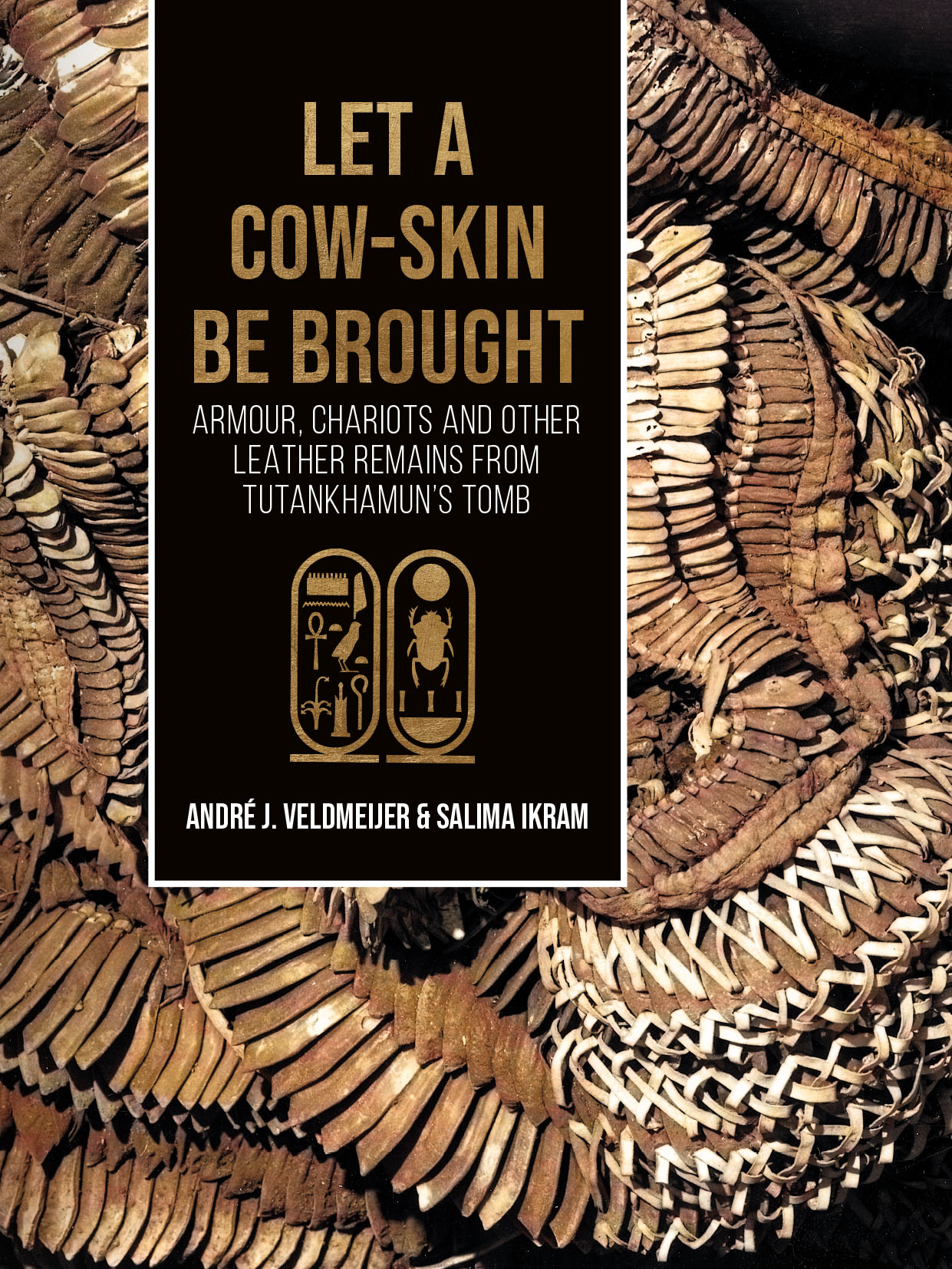
Let a cow-skin be brought: Armour, Chariots and Other Leather Remains from Tutankhamun’s Tomb

André J. Veldmeijer & Salima Ikram

One hundred years ago, Howard Carter, working for Lord Carnarvon, made one of the most important archaeological discoveries of all times in the Valley of the Kings (Luxor, Egypt): the nearly intact tomb of the Egyptian pharaoh Tutankhamun (ca. 1335-1325 BC). In addition to the king’s body, the tomb contained well over 5000 objects, which were recovered, conserved and recorded by Carter and his team. The fabulous treasures, such as the gold coffins, funerary mask, jewellery, as well as the six near complete chariots are well known. The tomb, however, yielded a wide variety of objects, both sacred and secular, including some that are less elaborately decorated with precious materials but which are, from a scientific point of view, perhaps even more interesting (and enigmatic).

Many objects from the tomb still remain unstudied. Those that have been published consist of specific groups, for example: thrones, chairs and stools; the bows; musical instruments; game boxes; the gold shrine or the stone vessels. This work examines the tomb and its contents through an unusual lens: leather and other animal-based soft tissue products that were used in creating some of the tomb’s contents.

Through a study of these artefacts, the reader is guided through the surprising and complex world of leatherworking in ancient Egypt, focussing on the numerous different leather objects from the tomb that are either made entirely from or include leather. These include chariots and their accoutrements, weapons, and gloves, as well as hitherto unpublished finds.

This approach offers new insights in ancient Egyptian technology as well as in the production and use of specific materials and objects. The findings are discussed in the wider framework of the development and organisation of the leather industry in New Kingdom Egypt.

The present work also includes chapters with suggestions about how to study archaeological leather and an update on leather use in the New Kingdom.

Paperback ISBN: 9789464260984 | Hardback ISBN: 9789464260991 | Imprint: Sidestone Press | Format: 210x280mm | 186 pp. | Language: English | >25 illus. (bw) | >100 illus. (fc) | Keywords: Tutankhamun; ancient Egypt; Howard Carter; pharaoh; chariot; weapon; leather; clothing; footwear; furniture; mummy; staff; leopard; cheetah; leatherworking | download cover | DOI: 10.59641/e49a81d6

1. Introduction

2. What is Leather and How to Make and Decorate it

3. Working with Leather

4. How to Research Leather

5. Importance of Leather in Ancient Egypt

6. Leather from the Tomb: Why Didn’t It Preserve (or Did It)?

7. The Objects: Expected and Unexpected Leather Finds
Chariots
Footwear
Sticks and staves
Clothing
Armour
Weapons
Boxes
Furniture
Body

8. Tools for Craftsmen

9. Discussion


Friday, September 27, 2024

SPQR

 
SPQR addresses the integration of heterogeneous datasets in the humanities, specifically data relating to classical antiquity, using a linked data approach and based on the recently published Europeana Data Model (EDM). The researcher requirements addressed by SPQR are driven by the outcomes of the JISC ENGAGE funded project LaQuAT, which concluded that a relational database model for integrating these datasets is often too inflexible. It is in precisely this regard that Semantic Web (SW) and Linked Data (LD) approaches have great potential, as they allow researchers to formalise resources and the links between them more flexibly, and to create, explore and query these linked resources. Closely allied to LD has been work on ontologies for providing agreed meanings for both links and the resources they connect. Thus ontologies can act as the semantic mediator between heterogeneous databases, enabling researchers to explore, understand and extend these datasets more productively and so improve the contributions that the data can make to their research. Using the EDM as an ontology has the additional advantage of easy integration of the humanities resources into the Europeana portal. The datasets relating to antiquity have features that make them a particular challenge and opportunity: they are “hand-crafted”, resulting from much individual effort; they are often incomplete/ambiguous, and may contain errors/contradictions; they contain much embedded, implicit semantics, which is difficult for researchers to use or comprehend. Such datasets occur across the humanities, and also in sciences when research is focused on individual scientists.

Harvard Museum of the Ancient Near East (HMANE) Collections

Harvard Museum of the Ancient Near East (HMANE)  Collections

By housing exhibitions, the Harvard Museum of the Ancient Near East (HMANE) explores the rich history of cultures connected by the family of Semitic languages.

The HMANE is home to Harvard University's collections of Near Eastern archaeological artifacts. These artifacts comprise over 40,000 items, including pottery, cylinder seals, sculpture, coins, and cuneiform tablets. Many are from museum-sponsored excavations in Israel, Jordan, Iraq, Egypt, Cyprus, and Tunisia. The Museum remains dedicated to the use of these collections for the teaching, research, and publication of Near Eastern archaeology, history, and culture.

Our online collection is a work in progress and will be augmented periodically. Incomplete records or missing images do not necessarily reflect the current understanding of, or assets related to, the artifacts. Research and curation are ongoing. Please feel free to browse our other digital assets or contact us to find out more.

Reproduction of images and archival materials in the museum's collections can be provided under license agreement. Requests must be made in writing and must include intended use. Conditions governing use are specified on a contractual agreement generated by the museum that requires signatures of both the user and a representative of the museum. Please note that the museum cannot provide reproductions of materials for which it does not hold the copyright. Permissions may be requested by emailing hmane@harvard.edu.

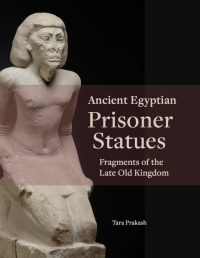
Ancient Egyptian Prisoner Statues: Fragments of the Late Old Kingdom: Catalogue

Ancient Egyptian Prisoner Statues: Fragments of the Late Old Kingdom: Catalogue
Tara Prakash 
Cover for Ancient Egyptian Prisoner Statues: Catalogue

Published

August 29, 2022

Synopsis

Catalogue of statue fragments examined in Ancient Egyptian Prisoner Statues.

During the Old Kingdom, the ancient Egyptians constructed elaborately decorated mortuary monuments for their pharaohs. By the late Old Kingdom (ca. 2435-2153 BCE), these pyramid complexes began to contain a new and unique type of statue, the so-called prisoner statues. Despite being known to Egyptologists for decades, these statues of kneeling, bound foreign captives have been only partially documented, and questions surrounding their use, treatment, and exact meaning have remained unanswered.

Ancient Egyptian Prisoner Statues-the first comprehensive analysis of the prisoner statues-addresses this gap, demonstrating that the Egyptians conceived of and used the prisoner statues differently over time as a response to contemporary social, cultural, and historical changes. In the process, the author contributes new data and interpretations on topics as diverse as the purpose and function of the pyramid complex, the ways in which the Egyptians understood and depicted ethnicity, and the agency of artists in ancient Egypt. Ultimately, this volume provides a fuller understanding of not only the prisoner statues but also the Egyptian late Old Kingdom as a whole.


Written Middle Persian Literature under the Sasanids

Kevin T. van Bladel  
Cover for AOS Essay 16

Published

September 27, 2024

Synopsis

Although there was oral literature among speakers of ancient Iranic languages, the author argues that there is no valid reason to assume that Middle Persian speakers, alone among sedentary peoples of their time, never or seldom wrote literary works in their language. Not only are there many Middle Persian literary works surviving in translation, and sufficient testimonies to the existence of Middle Persian literary works now lost and to Sasanian Middle Persian literacy, there are also strong explanations for their general nonsurvival that eliminate the assumption of a theory of predominant literary orality and disinclination to write literature, an argumentum ex silentio. We may reasonably assume that it is wrong to propose that what happens to survive in the original language on stone and metal surfaces and in desert environments represents the true range of Sasanian Middle Persian—the odds are far against it. Especially when propped up by a concept of “ancient Iranians” and without any definition of literature or the literary, it has no sound basis and is contradicted by a variety of extant sources.


Thursday, September 26, 2024

Open Access Journal: Jerusalem Journal of Archaeology

[First posted in AWOL 2 October 2021, updates 26 September 2024]
 

JJAR is a peer-reviewed online journal dealing with studies related to the archaeology of the Levant and adjacent relevant regions, from the Protohistoric era to the end of the Hellenistic period (6th - 1st millennium BCE). It is distributed free of charge via the Internet.

Chronologically, JJAR covers the periods which were often associated with ‘biblical archaeology’. While the journal covers all aspects and themes related to this long era, we particularly welcome the following themes:

Contributions dealing with the intersection between the archaeology and the textual sources. This includes not only the debates over the historicity of certain events or figures, but also studies about the historical locus of some texts and/or sources, as well as studies illuminating the contribution of archaeology to an understanding of the texts, and vice-versa. Methodological studies dealing with the intersection between the disciplines are especially welcome.

Contributions dealing with social and anthropological issues. While such studies are the bread and butter of most sub-field of the archaeological discipline, they were never a main theme in the archaeology of the Levant. Still, given the large archaeological datasets available from the region, greatly exceeding that of any other part of the world, Levantine archaeology has the potential to contribute to the study of all aspects of the human experience. We hope that such studies would help bridge the gap between Near Eastern archaeology and other branches of the discipline.

Given the new opportunities opened by the digital format, JJAR will not limit the number of words or illustrations of a publication, as long as the peer-review process does not point to overlapping or irrelevant material. This aspect is most relevant to large and long-term field projects that wish to present an interim report for every 3–4 years of fieldwork. Such a presentation can easily end up with 30,000 words and 50 illustrations, and the journal will be happy to consider the publication of preliminary reports, on the basis of their merit alone.

JJAR will also consider requests for publication of conference proceedings. In such cases, a special issue will be dedicated to the articles stemming from the conference. The organizers of the conference will serve as guest editors of the special issue. Once a contribution is accepted (after the peer-review process and proofreading), the editor(s) could decide whether to wait for the other contributions of the special issue, or to publish it online immediately. Choosing this option means that late submission of contributions will not delay the entire publication. This new approach will encourage scholars to submit their contribution as early as possible.

The digital format carries with it additional benefits. As an open-access online journal, JJAR will allow the authors to receive the maximum possible exposure, without commercial or legal obstacles. While most journals today belong to large conglomerates and restrict the authors’ ability to use and disseminate their own work, JJAR allows the contributors to distribute their papers as they see fit.
 

Finally, JJAR aims at reducing the time that passes between the acceptance of the article and its final publication. Once a paper is accepted and the technical aspects of graphic design and proofreading are completed, it will be immediately published (unless the paper is part of a collection, and see below).

 See AWOL's full List of Open Access Journals in Ancient Studies

Aqueducs romains. Innovation, évolution et effets environnementaux. Etude comparative de la ville de Rome – Province de Mésie inférieure

Adrian-Marius, V.-I., (2020) : Apeducte romane. Inovație, evolutie și efecte asupra mediului. Studiu comparativ orașul Roma – Provincia Moesia inferior, Bucarest [Aqueducs romains. Innovation, évolution et effets environnementaux. Etude comparative de la ville de Rome – Province de Mésie inférieure].

Cette thèse soutenue en 2020 se propose de comparer les aqueducs de Mésie inférieure aux modèles romains. Elle permet de rassembler les données concernant la situation en Dobroudja.

L’ouvrage en ligne (chercher le titre de la thèse) : https://rei.gov.ro/teze-doctorat


Wednesday, September 25, 2024

KYDALIMOS. Studies in Honor of Prof. Georgios St. Korres

Πηγή Καλογεράκου, Αφροδίτη Χασιακού, Μιχάλης Κοσμόπουλος, Ιωάννης Λώλος, Χριστίνα Μαραμπέα, Ειρήνη Πέππα-Παπαιωάννου, Ελευθέριος Πλάτων 
 Cover Image

Abstract


Volume 1: ISBN 978-960-466-229-6. PDF

Volume 2: ISBN 978-960-466-230-2. PDF

Volume 3: 978-960-466-231-9. PDF

Volume 4: 978-960-466-232-6. PDF


VOLUME 1

Κ. ΚΟΠΑΝΙΑΣ, Συστήματα οικονομικής διαχείρισης στη Μεσοποταμία  (4η - 2η χιλιετία π.Χ.)

Κ. ΛΙΝΤΟΒΟΗΣ, Κερκυραϊκή προϊστορία: Μικρή επισκόπηση

Γ. ΛΩΛΟΣ, Α. ΜΑΡΗ, ΕΥ. ΚΥΡΙΑΤΖΗ, Σπήλαιο Καταβόθρα Χώρας Τριφυλίας:  Νεολιθικά ευρήματα ανασκαφής Σπυρίδωνος Μαρινάτου, 1955

Δ. ΚΑΗ, Σ. ΝΙΚΟΛΟΠΟΥΛΟΣ, Λίθινος πέλεκυς Νεολιθικής περιόδου από τα Διόδια Μεσσηνίας

Ε. ΑΝΔΡΙΚΟΥ, Δύο νεολιθικά ειδώλια από τα Μεσόγεια Αττικής

Β. ΛΕΤΣΙΟΣ, Λίθινο ανθρωπόμορφο ειδώλιο με οπή ανάρτησης από το σπήλαιο «Τάφος»,  στην περιοχή του χωριού Κρούστας Αγίου Νικολάου Κρήτης

Χ. ΜΑΡΑΓΚΟΥ, Το Κάστρο της Μύρινας στην προϊστορία και αρχαιότητα: Λαξεύματα και βραχογραφίες

Γ. ΒΕΝΙΕΡΗ, «Επιστροφή στας Μυκηναϊκάς Ακροπόλεις». Αναζητώντας ίχνη προϊστορικής  κατοίκησης στην Ακρὀπολη των Αθηνών

Μ. ΠΛΑΤΩΝΟΣ-ΓΙΩΤΑ, Πρωτοελλαδικοί «κρατευτές» και άλλα τελετουργικά σκεύη από την Κάτω Κηφισιά

Ε. ΚΟΡΚΑ, Αγγείο από ναυάγιο της ύστερης Πρωτοελλαδικής – πρώιμης Μεσοελλαδικής περιόδου

Π.Π. ΚΑΛΟΓΕΡΑΚΟΥ, Προβλήματα ερμηνείας των αρχιτεκτονικών καταλοίπων της Πρωτοελλαδικής  ΙΙ περιόδου. Το παράδειγμα του οικισμού στη Βοϊδοκοιλιά Μεσσηνίας

J. RAMBACH, Die Ausgrabungen in der P.O.T.A. Romanou/Navarino-Dunes Hotelkomplex  bei Romanos in der Pylia/Messenien

Η. ΣΠΟΝΔΥΛΗΣ, Παυλοπέτρι. Μια βυθισμένη θέση στη Λακωνία

Π. ΒΑΛΑΒΑΝΗΣ, Αρματοδρομία και συμπόσιο στη μετανακτορική Τίρυνθα

Ι. ΒΟΥΡΕΞΑΚΗ, Ο εμπορικός και ναυτικός προσανατολισμός του βασιλείου της Πύλου

D. CONSTANTINIDIS, Making connections at Mycenaean sites in the Messenian landscape

Κ. ΚΑΛΟΓΕΡΟΠΟΥΛΟΣ, Κοσμικές δομές και επίσημη τελετουργία: Η περίπτωση  του κεντρικού ανακτορικού μεγάρου της Πύλου

Μ.Β. ΚΟΣΜΟΠΟΥΛΟΣ, Μυκηναϊκό διοικητικό κέντρο στην Ίκλαινα Μεσσηνίας

Ε. ΚΟΥΝΤΟΥΡΗ, Αποθέτης κεραμικής στο Καταρραχάκι Κουκουνάρας Μεσσηνίας:  Πρώτη παρουσίαση

A. NAFPLIOTI, The demise of the palatial system in the mainland and residential mobility in the  Aegean: A refugee Mycenaean elite on LH IIIC Naxos?

D. SCHILARDI, Evidence of horses and chariotship from Mycenaean Koukounaries οf Paros

M. RITACCO, Η εγκατάσταση των Μυκηναίων στα Δωδεκάνησα και τα παράλια της Μικράς Ασίας

J. BOUZEK, Notes on relations between Mycenaean Greece and the Central European Tumulus culture

S. HOOD, The Topsham double axe and British tin

K.A. WARDLE, Wessex and Mycenae: A rapprochement?


VOLUME 2

M. BENZI, Nudity in Bronze Age Aegean art 

H. TZAVELLA-EVJEN, Movement and depth in the Late Bronze Age frescoes

Α. ΒΛΑΧΟΠΟΥΛΟΣ, Ηθμωτή υδρία Βολιμιδίων. Συμβολή στην «άγνωστη» Μετανακτορική  περίοδο της Πυλίας

Η. ΜΑΘΙΟΥΔΑΚΗ, Ηπειρωτικές και κυκλαδικές πρόχοι με παραστάσεις πτηνών. Τυπολογικές  και χρονολογικές παρατηρήσεις

Σ. ΣΠΑΝΟΣ, Παράσταση ναυαγίου σε μυκηναϊκό αγγείο από τις Κουκουναριές της Πάρου

Ε. ΚΩΝΣΤΑΝΤΙΝΙΔΗ-ΣΥΒΡΙΔΗ, Δύο πολύτιμες μυκηναϊκές πυξίδες με αινιγματική διακόσμηση  κριαριών

E. KOISHI, Η εικονογραφική εξέλιξη του θέματος του σκύλου σε παραστάσεις κυνηγίου στην  αιγαιακή σφραγιδογλυφία

ΣΤ. ΜΑΚΡΥΠΟΔΗ, Με αφορμή έναν σφραγιδόλιθο με παράσταση «πόσιος ιχθύων»  από τη συλλογή H. Schliemann

Δ. ΚΟΚΚΕΒΗ-ΦΩΤΙΟΥ, Μυκηναϊκό ξίφος από την Εύβοια

Α. ΧΑΣΙΑΚΟΥ, Το οδοντόφρακτο μυκηναϊκό κράνος στη Μεσσηνία

Χ.Η. ΤΣΕΛΙΟΣ, Από τον χαλκό στον σίδηρο. Μεταλλοτεχνικές πρακτικές και τεχνολογική μετάβαση

E. MIKROGIANNAKIS, A glimpse of Homeric (Mycenaean) technology

Χ. ΜΑΡΑΜΠΕΑ, Υστεροελλαδικά κτερίσματα Βοιωτού κτηνοτρόφου

Λ. ΚΟΛΩΝΑΣ, Ομοιότυποι θολωτοί τάφοι Μυκηναίων τοπαρχών της νοτιοδυτικής Αιτωλοακαρνανίας

Σ. ΚΑΣΚΑΝΤΙΡΗ, Ανασκαφή μυκηναϊκού τάφου στη θέση Γ του «Αγίου Κωνσταντίνου» της Κρήνης  Πατρών

ΕΥ. ΜΑΛΑΠΑΝΗ, Ο θαλαμωτός τάφος Κ-3 στον Εγκλιανό της Πύλου

V. PETRAKIS, Grooves and depressions at the entrances of early Mycenaean tholos tombs  from the Southwestern Peloponnese

Γ.ΕΜΜ. ΧΑΤΖΗ, Οι θολωτοί τάφοι στο Ψάρι Τριφυλίας

L. ALBERTI, Return ticket: ‘Minoan’ and ‘Mycenaean’ tholos tombs at Knossos

Γ. ΕΥΑΓΓΕΛΟΥ, Χ. ΚΑΛΛΙΤΣΑΚΗ, Ο αρχιτεκτονικός τύπος του σπηλαιώδους θαλαμωτού  τάφου της Νεοανακτορικής περιόδου στην Κρήτη

Y. GALANAKIS, ‘Squaring the Circle’: Vaulted tombs, architectural variation and the construction  of ‘traditions’ in Late Minoan Crete

Κ. ΒΟΥΤΣΑ, Σκέψεις για τον αμυντικό οπλισμό κατά τη Μυκηναϊκή περίοδο με αφετηρία  τις πινακίδες Sh από το ανάκτορο της Πύλου

Α. ΓΚΙΟΚΑ, Η υπόθεση της αντιδικίας της ιέρειας e-ri-ta με τον da-mo: H αρχαιότερη γνωστή  περίπτωση δικαστικής (φορολογικής) διένεξης έως σήμερα

TH.G. PALAIMA, Iklaina, Traganes, a-pu2, and Aἰπύ

Ο. ΚΑΚΑΒΟΓΙΑΝΝΗ, Στοιχεία για την άσκηση τελετουργικών και «λατρευτικών» πράξεων  κατά τους προϊστορικούς χρόνους, στα Μεσόγεια της Αττικής

V. LA ROSA, Fish and shellfish at Phaistos and Ayia Triada (Crete): Between representation  and consumption

Λ. ΠΛΑΤΩΝ, Γύρω από τη σημασία του «ζεύγους» στη μινωική, θρησκευτική και κοσμική  ιδεολογία

Θ. ΗΛΙΟΠΟΥΛΟΣ, Παράλληλοι συμβολισμοί. Με αφορμή μια ταναγρική σαρκοφάγο

H. MOLLASALEHI, Θεωρητική προσέγγιση στην αρχαιολογία της θρησκείας

Χ.Γ. ΝΤΟΥΜΑΣ, Αρχαιολογικό εύρημα και ερμηνευτικές προσεγγίσεις: Δύο παραδείγματα  από την Κρήτη

P. WARREN, Braudel and modelling Minoan history

Λ. ΚΑΡΑΛΗ, Η αρχαιολογική μαρτυρία για το σκύλο στην αρχαιότητα: Mε έμφαση στην αρχαία Ελλάδα

Σ. ΛΑΜΠΡΟΠΟΥΛΟΣ, Παλαιοπεριβαλλοντική μελέτη μιας μυκηναϊκής εγκατάστασης στην  ενδοχώρα της Ηλείας («Κουτσοχέρα» Διασέλλων) με τη χρήση Γεωγραφικών Συστημάτων Πληροφοριών

Κ. ΑΘΑΝΑΣΑΣ, Ι. ΦΟΥΝΤΟΥΛΗΣ, Η. ΜΑΡΙΟΛΑΚΟΣ, Ι. ΜΠΑΣΙΑΚΟΣ, Γεωαρχαιολογικές παρατηρήσεις και παλαιοπεριβαλλοντικές συνθήκες στο Ναβαρίνο

G.E. GIGANTE, S. RIDOLFI, The enigma of prehistoric gold and the Messenia gold

G. RANIERI Geophysics as a means to reduce archaeological risk. Examples from the Pylos area (Western Peloponnese, Greece)

Α. ΧΡΟΝΗ, Φωτοερμηνεία – τηλεπισκόπηση και γεωφυσική διασκόπηση στον όρμο της Βοϊδοκοιλιάς  του νομού Μεσσηνίας για τον εντοπισμό θαμμένων αρχαιολογικών καταλοίπων


VOLUME 3

M. OPPERMANN, Altäre vorrömischer Zeit am Westpontos. Eine Bestandsaufnahme

H. MATTHÄUS, Kulturkontakte zwischen der Levante und dem zentralen Mittelmeergebiet  in der Frühen Eisenzeit: Metallgefäße gesellschaftlicher Eliten im präkolonialen Kontext

U. MUSS, Divine images of Artemis at Ephesos  

B. ANDREAE, Pergamos oder Telephos? Zwei Gründungsmythen von Pergamon  

Α.I. ΒΟΣΚΟΣ, Ἐς γῆν ἐναλίαν Κύπρον. Ἡ τοπωνυμικὴ μαρτυρία  

Δ. ΧΡΗΣΤΟΥ, Παρατηρήσεις στα γενικά αρχαιολογικά και ιστορικά δεδομένα των Σόλων  υπό το φως των νεότερων ανασκαφικών ερευνών

Ι. ΛΕΒΕΝΤΗ, Eπιτύμβια ρωμαϊκά ανάγλυφα από τη Θεσσαλία: Προβλήματα χρονολόγησης  και εικονογραφικές παρατηρήσεις

Ν. ΠΕΤΡΟΧΕΙΛΟΣ, O αποθέτης της λευκής κύλικας των Δελφών

Α.Κ. ΚΥΡΟΥ, Το Σπήλαιο του Νυμφολήπτου. Από τους χορούς των Νυμφών στον νεοπλατωνικό  διαλογισμό

Α. ΝΤΟΒΑ, Νέα Σμύρνη, αρχαίοι τάφοι επί της οδού Αγίας Σοφίας

ΕΙΡ. ΠΕΠΠΑ-ΠΑΠΑΪΩΑΝΝΟΥ, Νίκη ηνίοχος. Πήλινοι τύποι του Εθνικού Αρχαιολογικού Μουσείου

E. SIMON, Der junge Nestor

Κ. ΦΩΤΙΟΥ, Ο κλασικός Μαραθώνας

ΕΥ. ΒΙΒΛΙΟΔΕΤΗΣ, Παραδόσεις της Αττικής και της Μεσσηνίας: Κοινές αναφορές  και συσχετισμοί στο έργο Ἑλλάδος περιήγησις του Παυσανία

Γ.Α. ΠΙΚΟΥΛΑΣ, Περὶ χώρας Μεσσηνίων

P. MORENO, Τα δύο τμήματα του αναγλύφου στη Μεσσήνη και το σύμπλεγμα από τον Λεωχάρη  και τον Λύσιππο στους Δελφούς, με το κυνήγι του Αλέξανδρου και του Κρατερού

G. STEINHAUER, Le téménos du Héros spartiate

E. PÖHLMANN, The alphabet comedy of Callias of Athens in Athenaeus’ Deipnosophistai

W. SCHULLER, Der Ruhm der Hetären

Δ.ΣΤ. ΚΟΡΡΕΣ, Β.Σ. ΝΙΚΟΛΑΟΥ, Δ. ΧΥΤΑΣ, Κ.Ν. ΜΑΡΚΑΤΟΣ, Ν.Ε. ΕΥΣΤΑΘΟΠΟΥΛΟΣ, Τα «πιστεύω» του Ιπποκράτη για τις κακώσεις της σπονδυλικής στήλης και του νωτιαίου μυελού: Νέες ή παλιές αντιλήψεις;

ΧΡ.Π. ΜΠΑΛΟΓΛΟΥ, Η οικονομική και επαγγελματική απασχόληση των Μαθητών του Χριστού.  Συμβολή στην οικονομία και οικονομική διανόηση των χρόνων της Καινής Διαθήκης

A. BAMMER, Ein byzantinischer Wohnturm aus Ephesos

Ν. ΓΚΙΟΛΕΣ, Η βυζαντινή ναοδομία της μεταβατικής περιόδου (7ος – μέσα 9ου αιώνα)

N. KOUTRAKOU, “Archaeology” in Early and Middle Byzantine hagiography

Ν. ΠΟΥΛΟΥ, Εφυαλωμένη κεραμική με λευκό πηλό από την Κωνσταντινούπολη (GWW I-II / 7ος - 9ος αιώνας): Η διάδοση στον αιγαιακό χώρο

Κ. ΑΔΑΜΟΠΟΥΛΟΥ, Ο Υδραίος ναυμάχος Αναστάσης Τσαμαδός. Η αγωνιστική δράση  και το τέλος του ήρωα μέσα από τις σελίδες του ημερολογίου του πλοίου – βρικίου «Αρης»

Κ. ΣΒΟΛΟΠΟΥΛΟΣ, Μανιάκι, 20 Μαΐου 1825

Α.Ι. ΤΑΝΤΟΥΛΟΣ, Ενθυμήματα της ναυμαχίας στο Ναβαρίνο

Π. ΓΑΒΑΛΑ, Λακωνία – Μεσσηνία: τόσο κοντά, αλλά τόσο μακριά. Οι σχέσεις ανάμεσα στους  όμορους νομούς το πρώτο μισό του 19ου αιώνα από το Αρχείο Δ.Κ. Σαλβαρά

S. HEUCK ALLEN, A tale of two doctors with the Greek guerillas in World War II

Α. ΠΑΠΑΓΕΩΡΓΙΟΥ-ΒΕΝΕΤΑΣ, Ο αρχιτέκτων Δημήτρης Πικιώνης: Δάσκαλος και μύστης

Ι. Κ. ΣΠΗΛΙΟΠΟΥΛΟΥ, Η αρχιτεκτονική κληρονομιά της Καλαμάτας και η διαχείρισή της  μετά τους σεισμούς

Δ. ΠΑΥΛΟΠΟΥΛΟΣ, Ένας Ιταλός γλύπτης στο A΄ Κοιμητήριο Αθηνών

Μ. ΣΤΕΦΑΝΙΔΗΣ, Διαμαντής Διαμαντόπουλος (1904-1995). Ut pictura poesis?

Δ.Β. ΒΑΓΙΑΚΑΚΟΣ, Ἀνεμώρεια – Ἄνεμος – Ἀέρας

Ν. ΑΛΙΠΡΑΝΤΗΣ, «Το εις ενικόν απευθύνεσθαι» ως διαχρονική έκφραση της ελληνικής  επικοινωνίας. Ιστορικο-κοινωνιολογική συμβολή


VOLUME 4

W. ARENTZEN, Schliemann’s first publication  

W. BAHLCKE, Zum 175. Geburtstag einer alten Friedländer Bürgerin

W. BÖLKE, Die Sammlung Rabl – Virchow und ihre Bedeutung für die Schliemannforschung  

G. FLOUDA, Heinrich Schliemann and the ‘Itineraries’ of the Smithsonian Trojan Collection

R. HILSE, Die „Heinrich-Schliemann-Gesellschaft“ Ankershagen e.V.

A. JÄHNE, Heinrich Schliemann in Russland  

M. LEHRER, Memorial Archaeology and the Manipulation of memory:  Schliemann in Rome, 1868  

Κ. ΠΑΣΧΑΛΙΔΗΣ, «(…) ἔρρωσο. Ἑρρῖκος Σχλιέμανν». Η ανακάλυψη του Μυκηναϊκού πολιτισμού  και η δημιουργία του «Μυκηναίου Μουσείου» μέσα από τις αναφορές των πρωταγωνιστών της

Ι. ΠΡΟΒΙΔΗ, Σλήμαν – Τσίλερ: Οικοδομική δραστηριότητα στην Αθήνα του τέλους  του 19ου αιώνα

Χ. ΤΖΑΛΑΣ, O Ερρίκος Σλήμαν και η αναζήτηση του Τάφου του Μεγαλέξανδρου

D.Α. TRAILL, Schliemann’s visit to Delos in 1870

H. FAENSEN, Griechenland in den Augen von Friedrich Wilhelm IV  

E.K. JAECKEL, Die Lesbarkeit der Landschaft: Zu Chateaubriands Itinéraire

Π. ΜΠΟΥΓΙΑ, Από τα αριστουργήματα της ελληνικής τέχνης στα τεκμήρια ελληνικότητος:  Η συλλογή αρχαιοτήτων από αρχαιοθήρες, αρχαιολάτρες και Ελληνες στην Ελλάδα του 19ου αιώνα

Α. ΠΑΠΑΪΩΑΝΝΟΥ, Το ενδιαφέρον για την περιοχή της Τρωάδας κατά τον 18ο αιώνα

K.W. RICHTER, Μύλλερ των Ελλήνων: Μνημείον του αοιδού ελληνικής ελευθερίας.  Der Dessauer Philhellene Wilhelm Müller im Gedächtnis Griechenlands

R. STUPPERICH, Carl Theodor’s Neckar Athens. Antiquity and Science  in 18th century Palatinate  

T. KATSUMATA, The introduction of the Neo-Byzantine style over the Neo-Classical architectural design in the Greek kingdom of the 19th century

Β. ΜΑΥΡΙΚΑ, Ρωμαϊκά και αιγυπτιακά μοτίβα σε κτήρια του 19ου και πρώιμου 20ού αιώνα  στον ελλαδικό χώρο: Σκόπιμες και ακούσιες προσεγγίσεις του «άλλου»

ΕΥ.Ε. ΔΕΛΗΓΙΑΝΝΗ, Aπηχήσεις αρχαιοελληνικότητας στη νεοελληνική ποίηση.  Η περίπτωση των μνημείων

Ν. ΣΑΚΚΑ, Ιλισός – Λύκειο: Iστορίες της αόρατης Αθήνας

Κ. ΓΡΗΓΟΡΟΠΟΥΛΟΣ, Ο ρόλος του πολέμου στις αφηγήσεις περί της προϊστορίας του Αιγαίου:  Θεωρίες και ερμηνείες από τον 19ο αιώνα ως σήμερα

Μ. ΑΝΤΩΝΙΟΥ-ΣΚΕΒΟΥΛΗ, Η ανακάλυψη και η «αποκάλυψη» των γραπτών στηλών Δημητριάδος – Παγασών. Μαρτυρίες από το Ιστορικό Αρχείο της Αρχαιολογικής Υπηρεσίας

Α. ΠΑΠΟΥΛΑΚΟΥ, Το έργο του Αδαμάντιου Αδαμαντίου στην Αρχαιολογική Υπηρεσία:  «Πρὸς ἀναστήλωσιν καί εὐπρέπειαν τῶν βυζαντινῶν μνημείων»

ΣΤ.Π. ΡΑΥΤΟΠΟΥΛΟΥ, Ο Γεώργιος Σωτηριάδης και ο θολωτός τάφος στον Αρνό Μαραθώνα

Α. ΣΑΜΨΩΝ, ΣΤ. ΚΑΤΣΑΡΟΥ, Σπήλαιο Νέστορος Πύλου, 1953: Συμβολή στη βιογραφία  του Δημητρίου Ρ. Θεοχάρη

Γ.Γ. ΛΩΛΟΣ, Ενα άγνωστο δημόσιο έργο των Λαγκαδινών μαστόρων: Η αναστήλωση  του βασιλικού Θολωτού Τάφου IV στην Πύλο του Νέστορος

ΕΥ.ΧΡ. ΠΑΠΟΥΛΙΑΣ, Οι αρχές της «Ολοκληρωμένης Προστασίας» και η «βιωσιμότητα» του πολιτισμικού πλούτου της χώρας μας


Full Text:

Vol_1 Vol_2 Vol_3 Vol_4

ISSN: 2623-3428 (digital), 2623-3436 (print)

© 2018-2020 National and Kapodistrian University of Athen, Department of History and Archaeology.